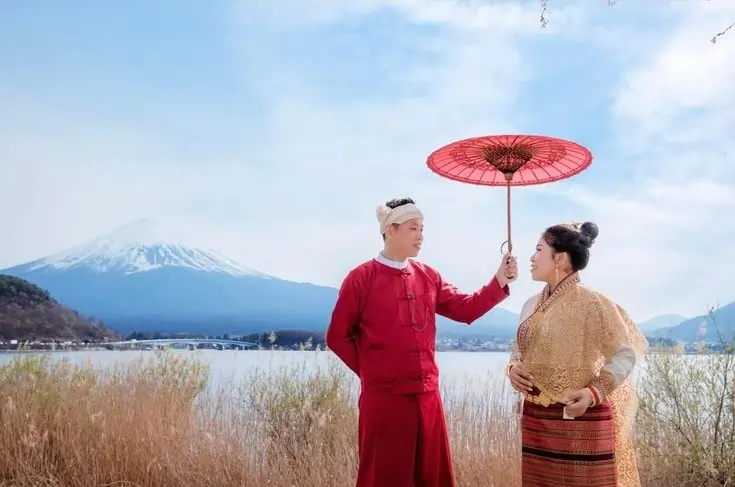
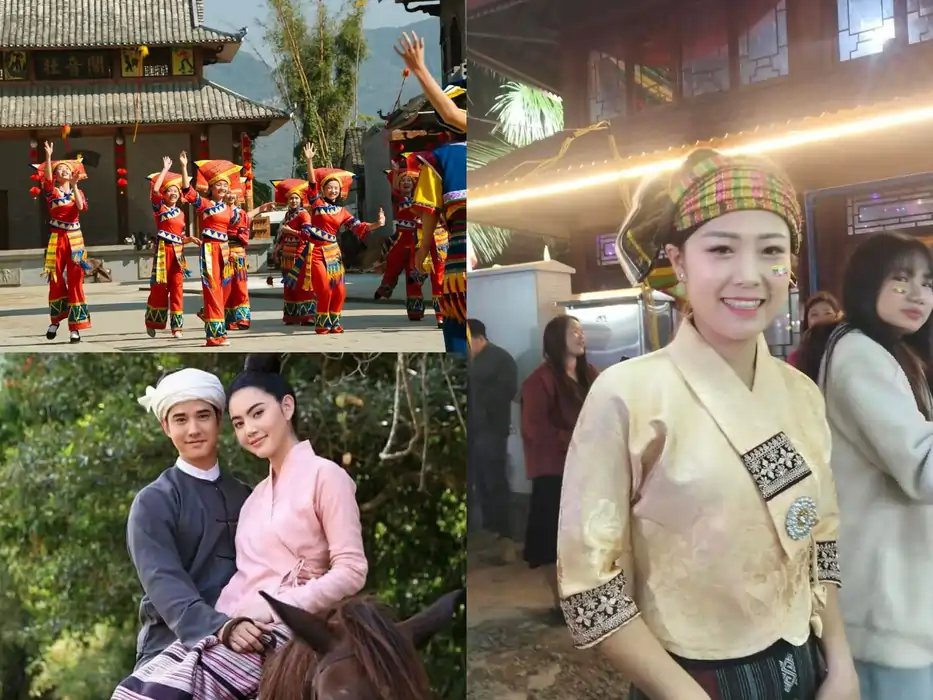
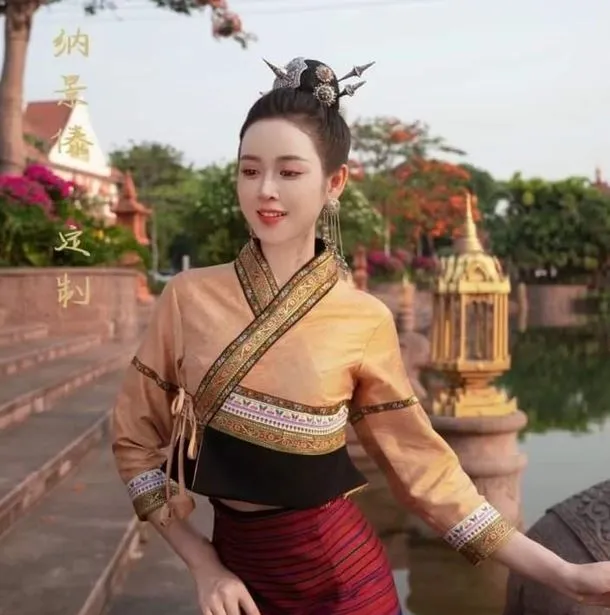
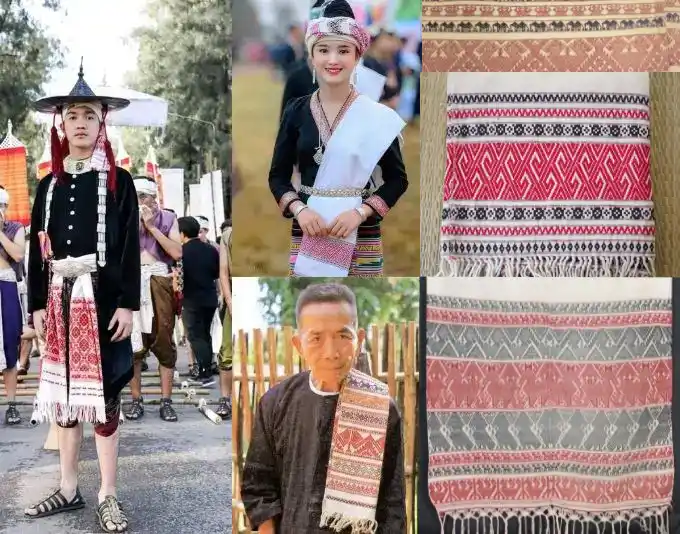
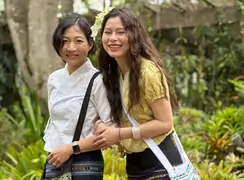
The Dai people have a rich cultural heritage shaped by centuries of tradition, religion, and community life.
If you're learning about Dai people for the first time, understanding a few key terms will help you build a stronger foundation
for exploring Dai history and traditions.
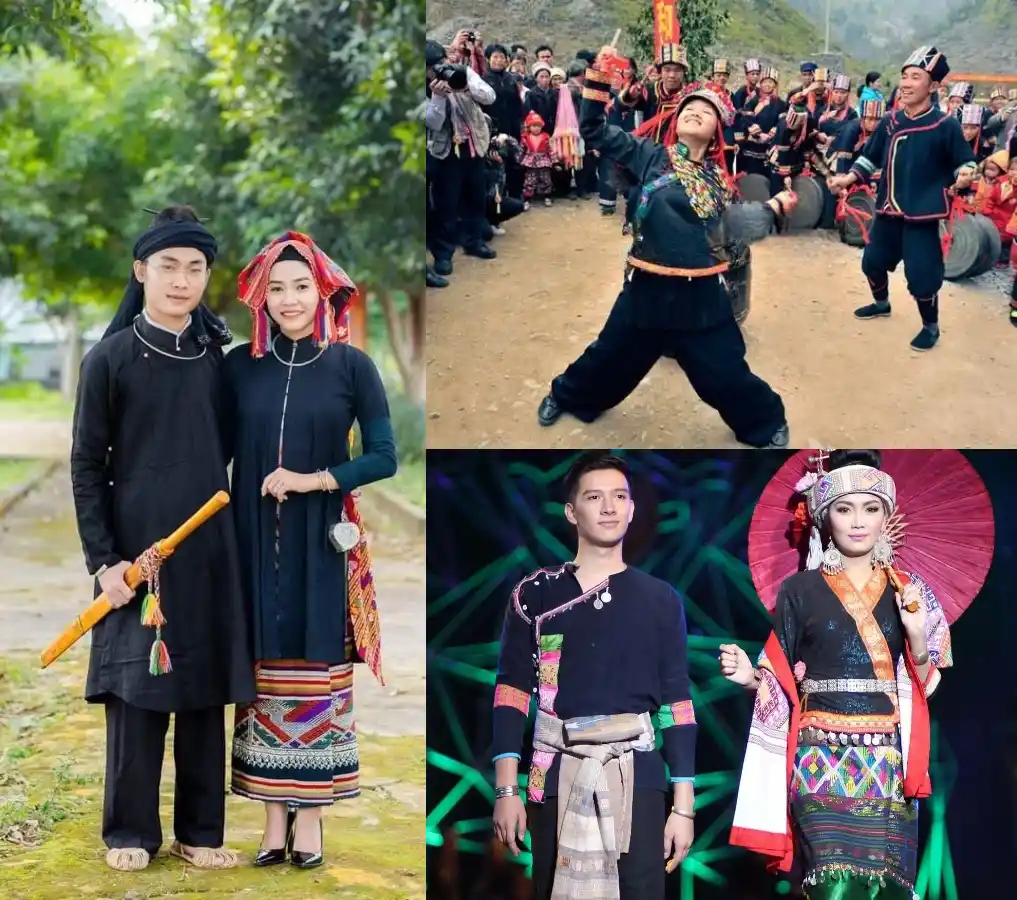
Dai Attire
I often hear lot of Ahoms using words like Pharu Phasu which are completely wrong. It is actually phā ho
and phā sēr. The word phā 𑜇𑜡; means cloth and
ho 𑜑𑜥𑜈𑜫 means head or literally the clothing for head. Whereas ru/hu 𑜍𑜥
means ear so pharu means the clothing for ear ! So you can call earmuffs as pharu but not the turban. Similarly su 𑜏𑜥
means you and sēr 𑜏𑜢𑜤𑜈𑜫; means shirt so phasu actually means your cloth and not shirt
Hope that clears things and if it doesn't then read the article on Pseudo Ahom words
fa@ hUw
phā ho
Tai Turban
The word Pha Ho refers to any kind of Head Clothing like Turban, Headscarve, etc
fa@ sEw@
phā sēr
Tai Shirt
The Dai Shirt is known as Sēr (เสื้อ) and the Skirt is nown as Sīn (ซิ่น)
fa@ mj
phā mai
Tai Shawl/Mantle
Generally Body coverings (Shawl Blankets Mantle) are called as Pha Mai or Pha Hom while other kinds of covering (bedsheet mattress) are called as Pha Lop
fa@ sinq@
phā sīn
Tai Skirt
fa@ tCw!
phā tèu
Tai Pants
Dai people generally wear pants called Phā Tèu
Dai Cultural Dances
Traditionally Dai people have always looked upto nature for Dance and Music. The Dai flute for example tries to mimic birds chirping while the
Dai dances try to mimic their physical movements. Most famous of such dances are the peacock dance and the rooster dance. We will learn more about Dai dance forms
in a separate article. Let us only concern ourselves with the important terms for this article
t,[q# ka@ nUkq$
táang kā nôk
Peacock Dance
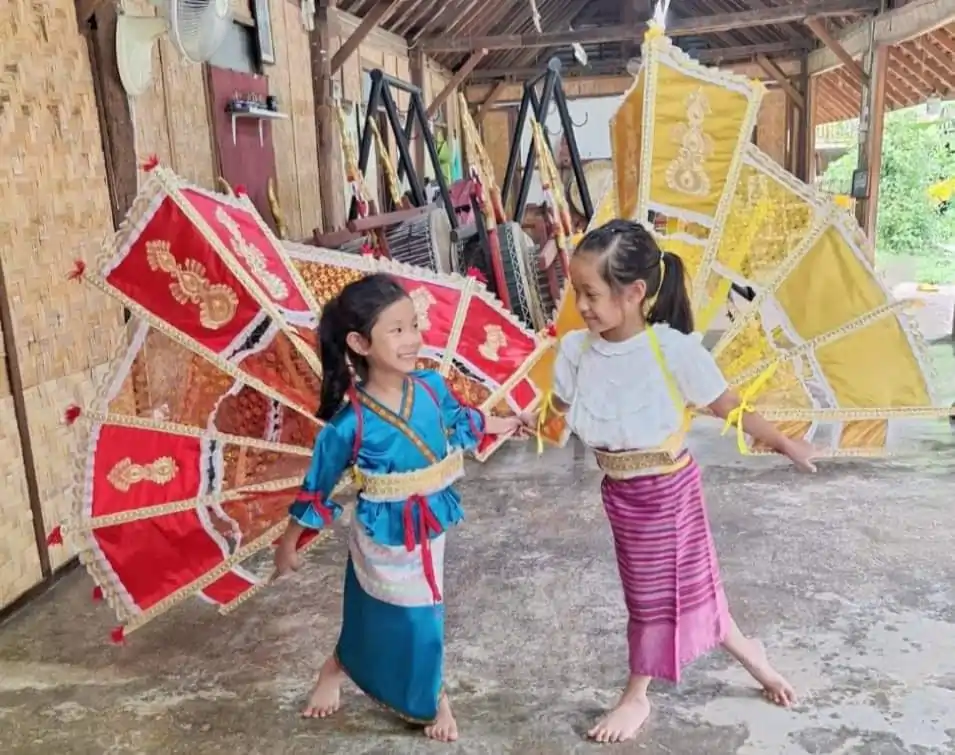
In Peacock Dance, the elegant movements of the bird are imitated through flowing gestures and elaborate costumes.
t,[q# ka@ tUw#
táang kā tó
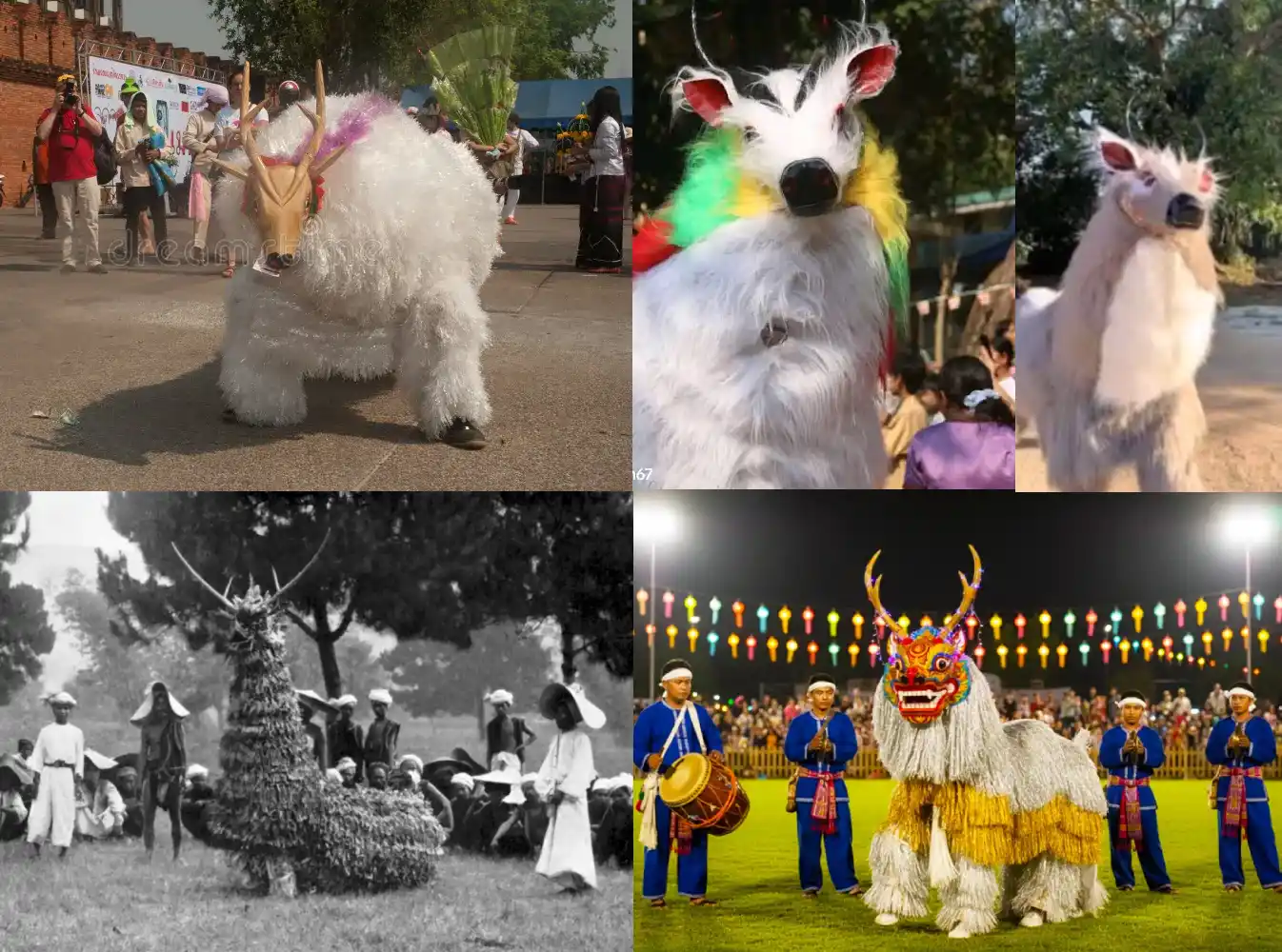
Deer Dance / Dragon Dance
The word kā 𑜀𑜡; means dance, nôk 𑜃𑜥𑜀𑜫. means bird, and
tó 朵 𑜄𑜥𑜈𑜫: is basically tonaya တိုးနရား which is sometimes interpreted like a Dragon
and sometimes as a mythical deer like beast living in Himalayas. The exact representation of the creature can also vary from tribe to tribe.
Note that táang is used to create abstract nouns.
We have explained the detailed use of it in our Word Compounding article, so do check it out.
Different Representations of the Mythical Beast Tó 朵 in Deer Dance
lmq# bU[q#
lám wóng
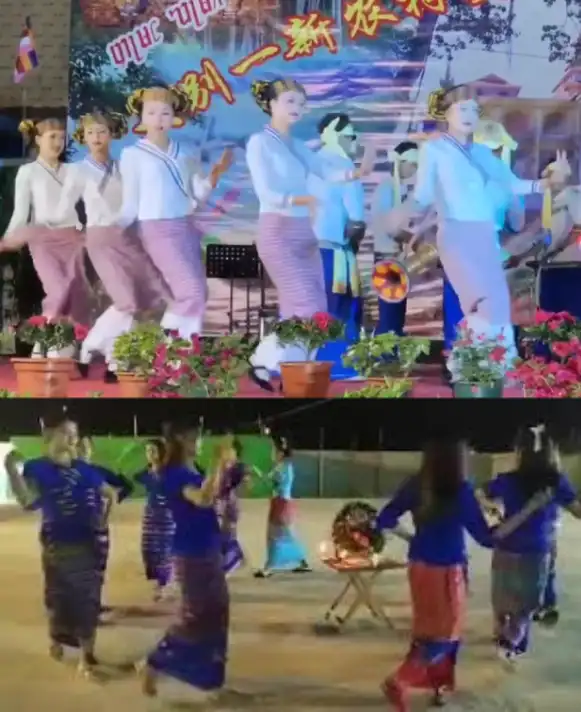
Traditional-SEA Circle Dance
Traditional South-East Asian Circle Dance Lamwong performed in New Year and other special occassions
There are also other kind of dances like Agricultural Dance, Martial Dance, Rooster Dance, White Elephant Dance but we will cover them on in a dedicated article on Dai Dances.
Dai Martial Arts
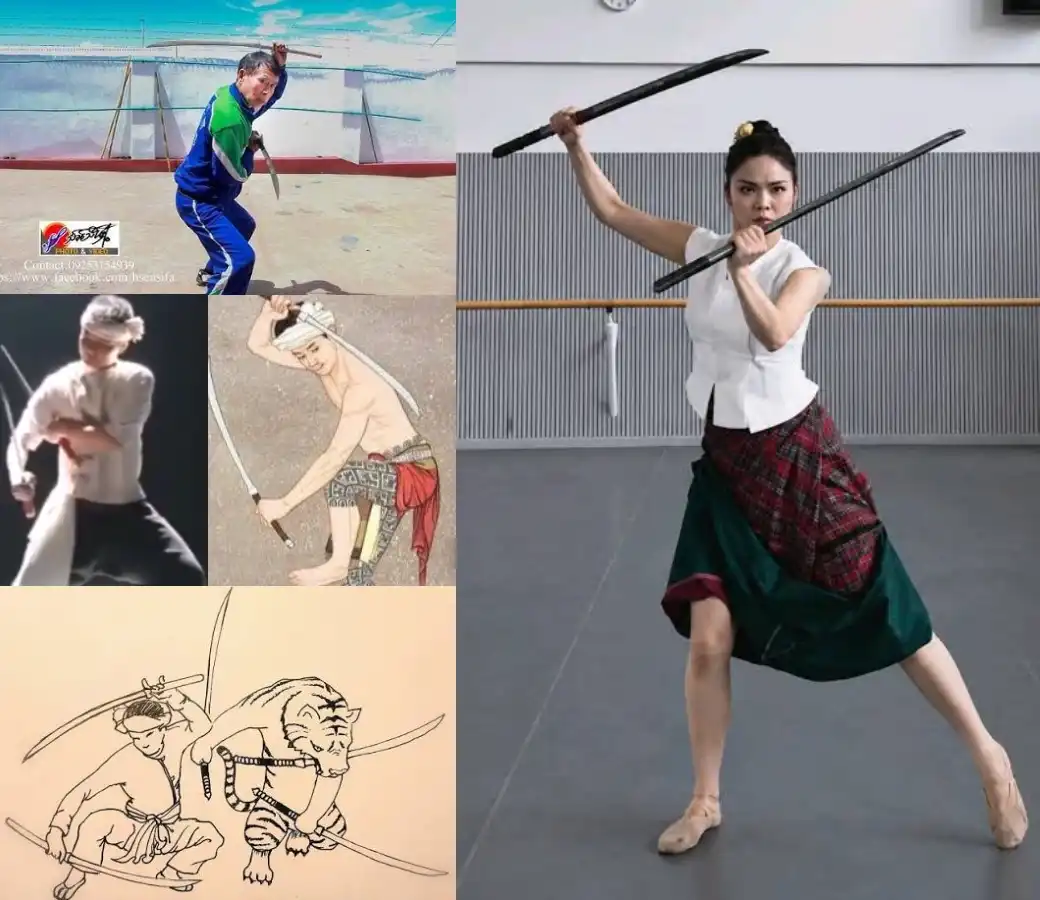
Dai people have many forms of martial arts Muay Boran and Muay Thai of the Siamese people, Ang Quan of the Zhuang people and Lai Tai
of the Shan people (Ahom Phake Khamti etc). The word láai means martial arts
l,j# tj#
láai tái
Dai Martial Arts
l,j# lVw#
láai láeu
Sword Martial Arts
Sword Martial Arts
Dai Musical Instruments
Music is an important part of Dai cultural celebrations.
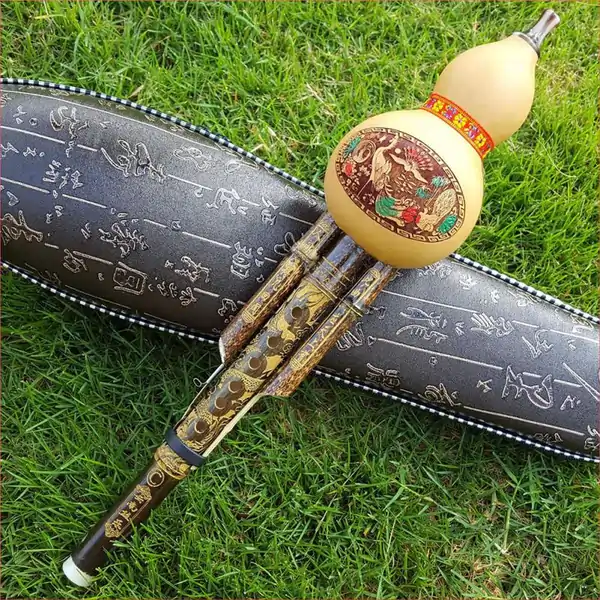
One of the most recognizable Dai musical instrument is the Hulusi (葫芦丝) or Pì-Nâm-Tāo, a free-reed wind instrument made
from a gourd and bamboo pipes that produces a soft, melodic sound.
Drums, gong, and bamboo flutes are also commonly used during festivals and dances.
mo[q#
máwng
Traditional Tai Gong
ko[q
kawng
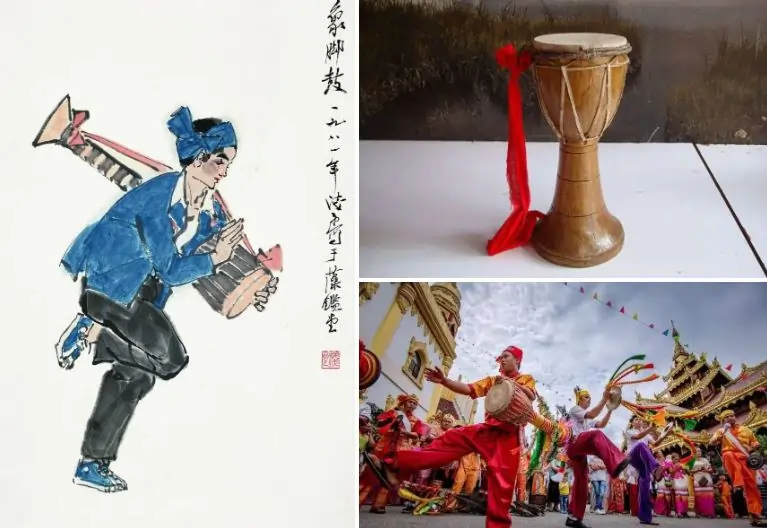
Traditional Tai Drums
Kong - Traditional Tai Handheld Drum
pI! nmq$ tw@
pì nâm tāo
Gourd Pipe / Hulusi
Hulusi (葫芦丝) or Pì-Nâm-Tāo is the most widely recognized Dai Musical Instrument
Dai Festivals and Props
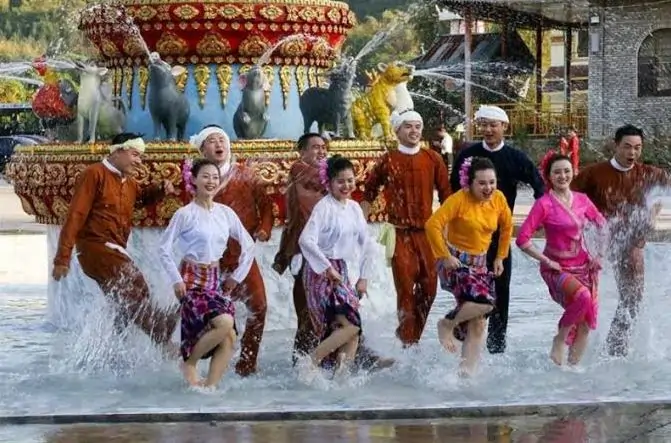
Dai people have many festivals. Perhaps the most widely known is the Dai Water-Splashing Festival (泼水节) which also marks
the Buddhist New Year. The Dai people in Yunnan celebrate atleast 4 New Year festivals in one year, first the Gregorian New Year, then the Chinese New
Year then the Buddhist New Year and finally the Dai New Year as per traditional Dai calendar.
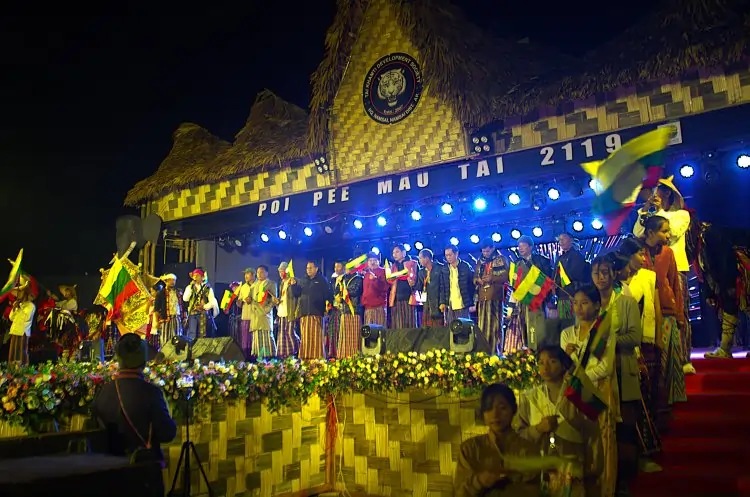
poj# pI m]! tj#
pói pi màu tái
Dai New Year Festival
Poi Pee Mau Tai Celebrations in Namsai, Arunachal Pradesh
poj# sonq# nmq$
pói sáwn nâm
Dai Water-Splashing Festival
Dai Water Festival to mark the Buddhist New Year
poj# sEw ka@ fa$
pói ser kā phâ
Serkapha Festival of Assam
Serkapha Festival of Assam celebrated to mark the arrival of Tsaolung Serkapha
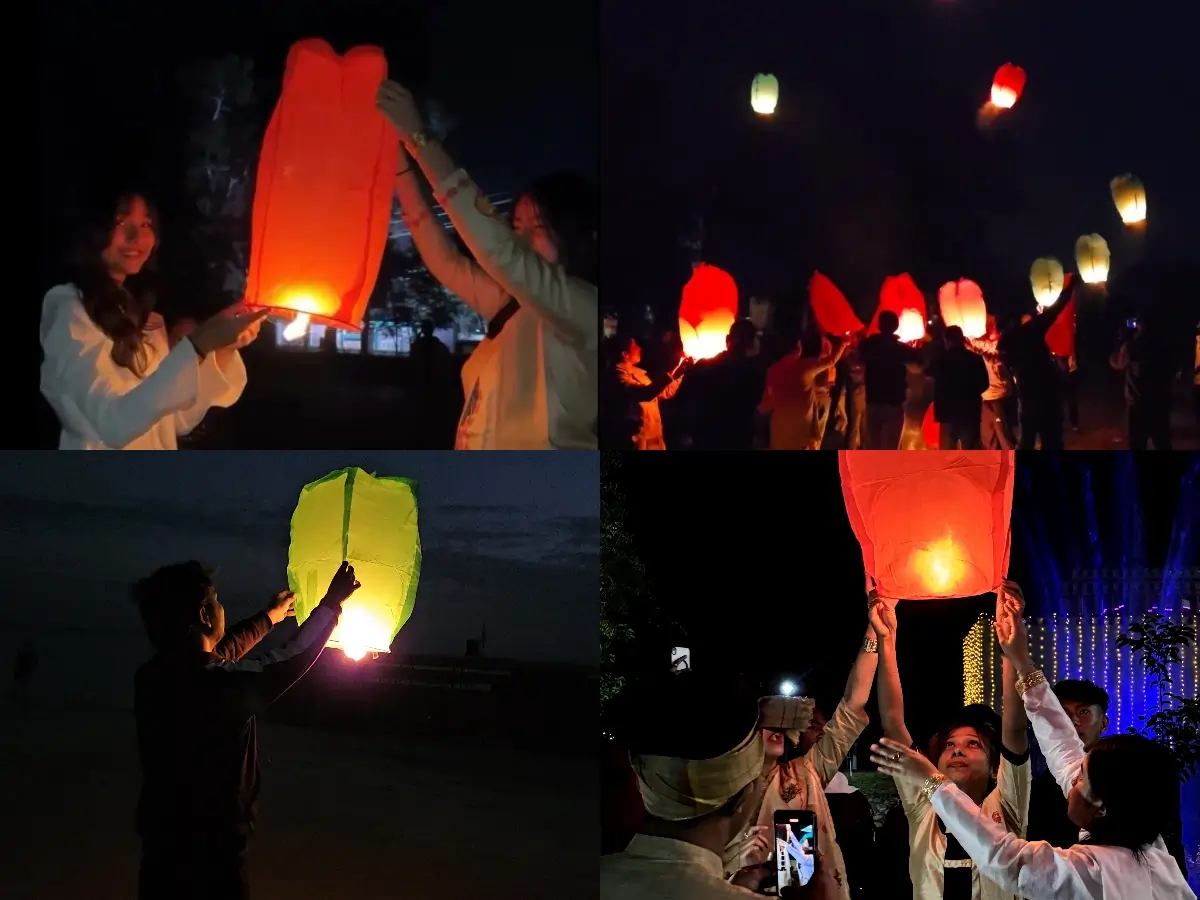
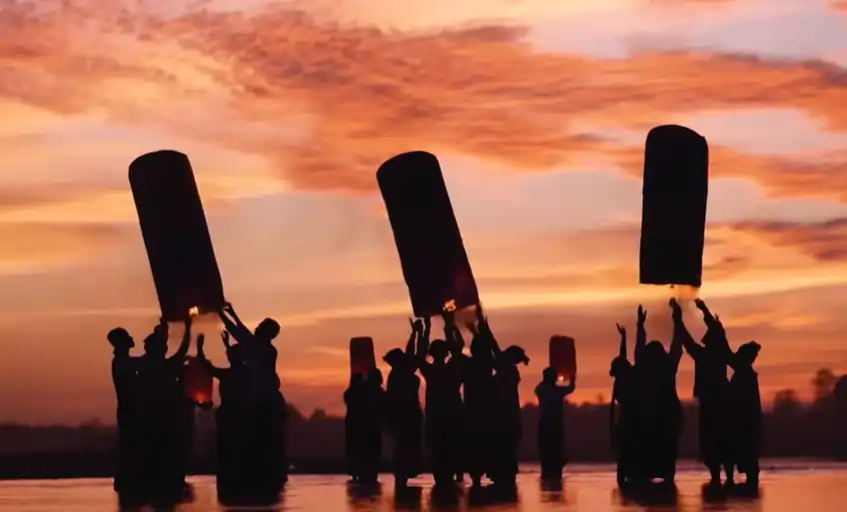
pu[q# fj#
púng phái
Traditional Skylanterns
Traditional Skylanterns are called as Pungfai or literally fire bucket
Conclusion
This article doesn't cover everything in detail but rather lists the important terms and concepts for Dai Cultural Enthusiasts or even
just the curious layman. It can also act as a reference for future use for people who are already familiar with Dai culture but have lot of
knowledge gaps in between.
 Learn Ahom