 Learn Ahom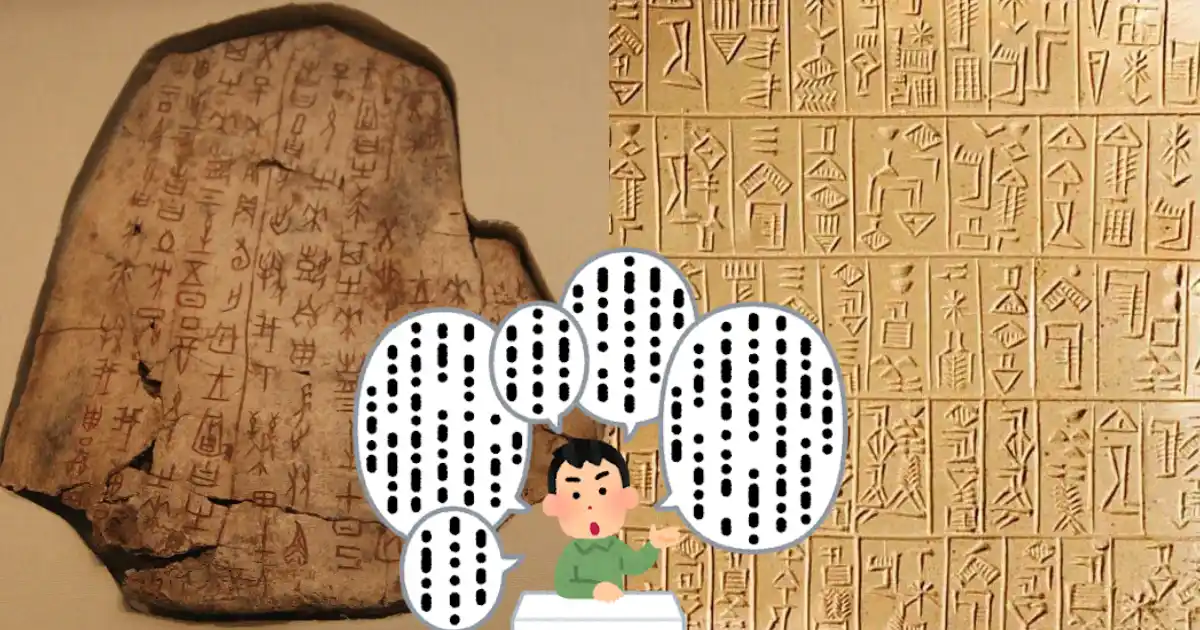
Language is fundamental means of communication but Writing Systems are a technology to transcribe the sounds of that language. Not all languages have a writing system and even the ones that do generally tend to be an inspiration or downright copy of another writing system.
For example, all Indian scripts come from Brahmi, which inturn is believed to have derived from Aramaic script. Chinese (Hanzi) is widely considered the oldest continuously used writing system in the world but it still was inspired from a yet earlier form of writing, from the Neolithic period.
And because writing systems are regarded as remnants of ancient technology, governments all around the world try to enforce their own writing systems as part of nationalistic projects which usually hurt the indigenous groups with their own aspirations. And as we will learn in this lesson, even the most primitive of tribes can sometimes have their own proto-writing system.
Proto Writing Systems
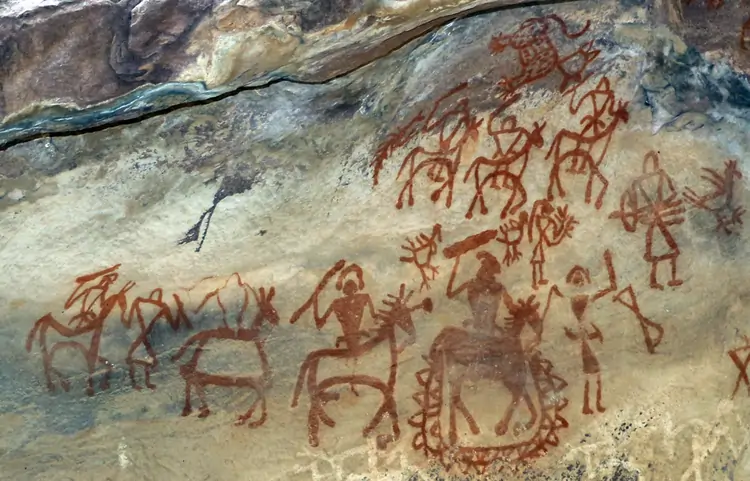
These are ideaographic scripts, where each grapheme represents an idea rather than a phoneme or morpheme. This is the earliest writing system of our ancestors, when they used to draw cave paintings of hunting, dancing, community life, and local wildlife.
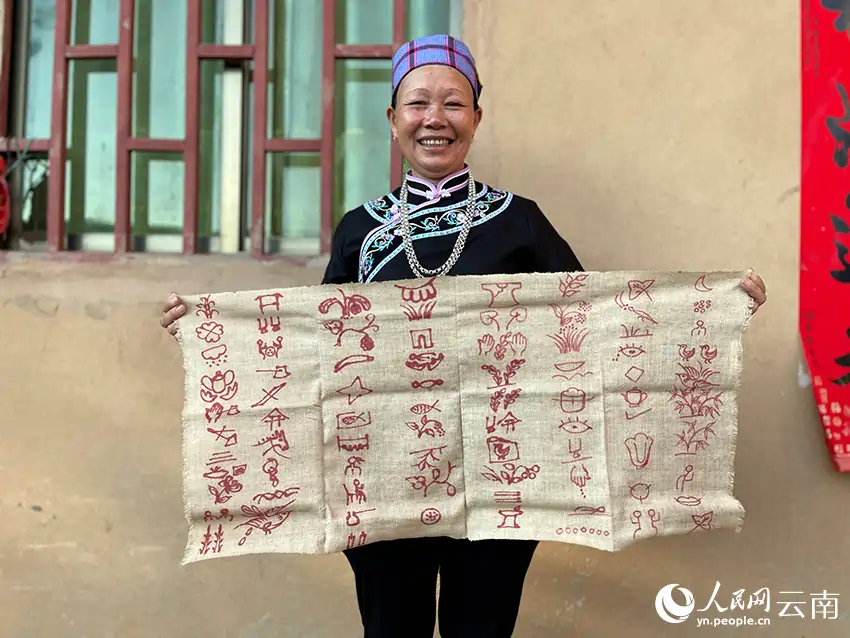
And how can we forget, the Poya Songbook (坡芽歌书) of Zhuang people where each symbol (sun, moon, maple leaf, fish, etc) represennt an entire song and the entire Poya Songbook contains 81 such symbols or 81 such songs, which were memorized by Zhuang people of Yunnan and sung in exact same melody and exact same intonation and passed down through generations. A cultural treasure for both China as well as the Tai-Kadai language group as a whole.
Logographic Systems
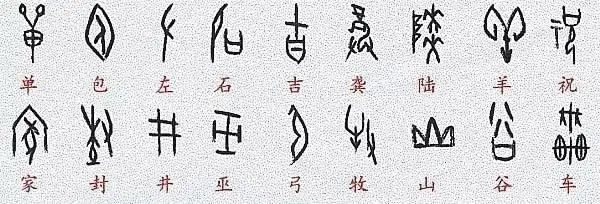
A direct evolution of the ideaographic writing system, in logographic system each glyph represent an entire morpheme rather than a vague idea. So for example if one grapheme 'D' represents deer, another 'T' represents tiger, and another 'K' represents the action of killing. So tiger kills deer can then be represented by three graphemes 'TKD'.
Ancient Sumerian and Egyptian scripts were all logographic along with Chinese (Hanzi) which is still used today in modern day and age by 1.5 billion people
Syllabary Systems
A small evolution from logographic systems, in a syllabary one grapheme represents one entire syllable. Best example of this is Kana form of writing in Japanese which evolved from simplified Chinese Hanzi characters.
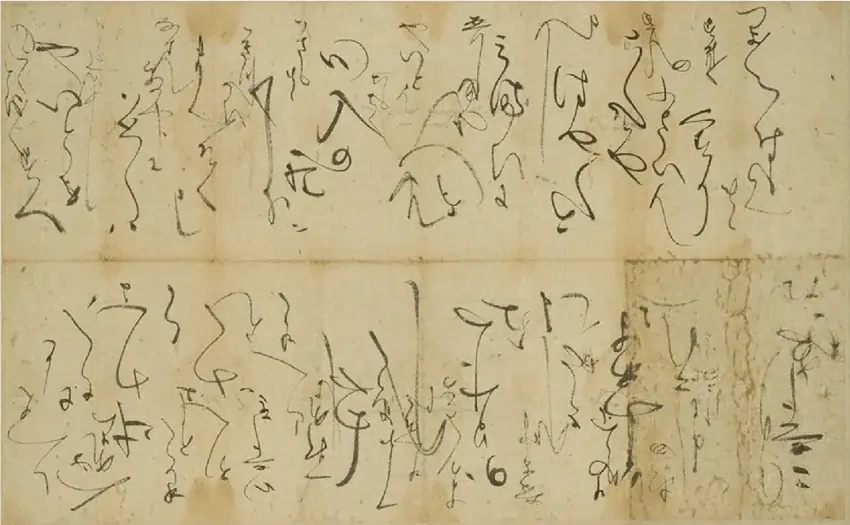
There are 46 basic characters in Hiragana, each being its own syllable, あ (a) い (i) か (ka) き (ki) さ (sa) し (shi) etc. So if you want to write Kakashi it will be かかし ! Very simple and very directly translatable from Romaji (Roman script)
| k | s | t | n | h | m | y | r | w | nn | ||
|---|---|---|---|---|---|---|---|---|---|---|---|
| a | あ | か | さ | た | な | は | ま | や | ら | わ | ん |
| 安 | 加 | 左 | 太 | 奈 | 波 | 末 | 也 | 良 | 和 | 毛/无 | |
| i | い | き | し | ち | に | ひ | み | り | ゐ | ||
| 以 | 幾 | 之 | 知 | 仁 | 比 | 美 | 利 | 為 | |||
| u | う | く | す | つ | ぬ | ふ | む | ゆ | る | ||
| 宇 | 久 | 寸 | 州? | 奴 | 不 | 武 | 由 | 留 | |||
| e | え | け | せ | て | ね | へ | め | れ | ゑ | ||
| 衣 | 計 | 世 | 天 | 祢 | 部 | 女 | 礼 | 恵 | |||
| o | お | こ | そ | と | の | ほ | も | よ | ろ | を | |
| 於 | 己 | 會 | 止 | 乃 | 保 | 毛 | 与 | 呂 | 遠 |
Although Hiragana is effective for basic communication but doesn't truly capture the nature of Japanese language, as many words sound exactly the same but have different meaning. The logographic writing system of Kanji (from Chinese Hanzi) properly captures these words which would be otherwise written the same way in Kana. One more reason is that reading Kanji is much faster, hence Japanese uses both Kana and Kanji together making it a logo-syllabary writing system.
Segmental System
A Segmental Writing System is where each grapheme represents one individual phoneme. It can be further classified in Alphabet, Abugida and Abjad
Abjad
Separate Graphemes for Consonants, Vowels are just infered or assumed. Abjad are further divided into Pure Abjad and Impure Abjad. Hebrew Arabic Persian etc all are Impure Abjad. For example, the word for book in Arabic is 'kitaab' but in Arabic script, it will be written as ktāb (كتاب), although the vowel 'i' is not given in script but vowel ā has its own grapheme Alif (ا) There are also special symbols for short vowels or harakat which are found in religous writing. So with harakat, the same word 'kitaab' will be written as kitāb كِتَاب in its fully voweled form.
True Abjad was the Ancient Phoenician Script which is regarded as the ancestor of most segmental writing systems, like Latin Greek Arabic and Brahmi
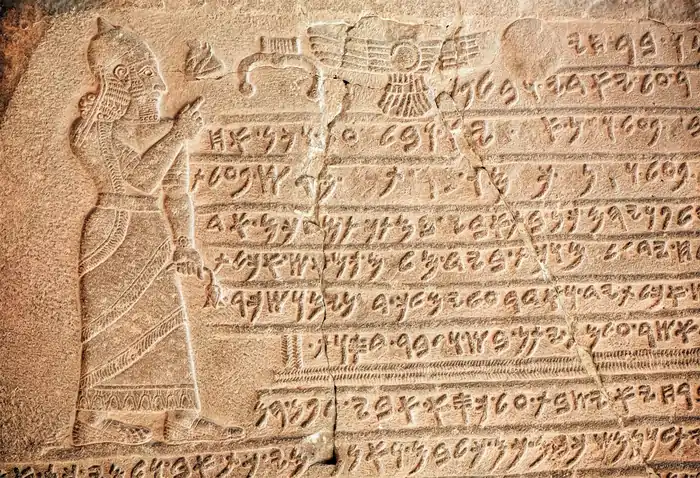 Ancient Phoenician Script (11th Century BCE), the mother of all Segmental Writing Systems
Alphabet
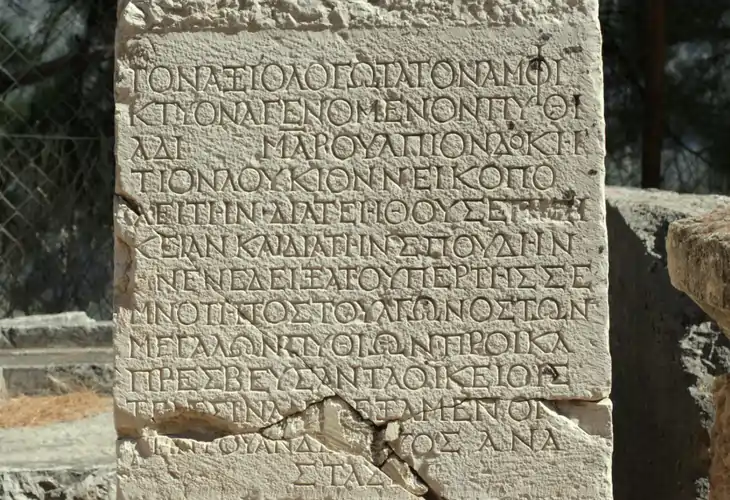
An Alphabet is a writing script which has separate graphemes for consonants and vowels. Latin and Greek are perfect examples of this. English uses Latin Alphabet to transcribe its sounds but the relationship between letters and sounds is too complex to be called a 'true alphabet' A script is called phonetic when it is written exactly how it is pronounced, a criteria which English clearly fails and although on surface it appears like English only have 26 letters, but in reality it is arguably one of the most difficult writing systems on earth.
Abugida
Abugida is writing system where each base character represents a consonant with an inherent default vowel and to use any other vowel, you would have to use diacritics or matras to form syllables. This is why it is also called an alphasyllabary or syllabic alphabet. Almost all South and Southeast Asian scripts fall under this category and most of them can be traced to a single ancestor, Brahmi - the earliest known Abugida.
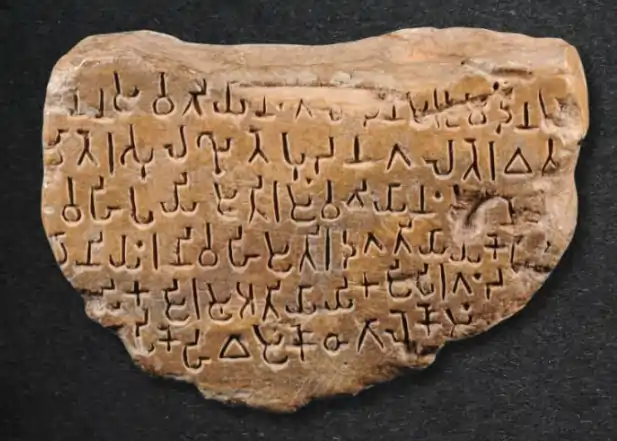
It is from Brahmi script, that Devanagari script, Bengali script, Thai script and even Ahom script was derived. The history and exact origin of Brahmi script is debated especially after Keezhadi excavations and the claims made by Tamil Nadu Government. Before it was widely believed that when Achaemenid Empire expanded in Northwestern India in 6th Century BCE, their Aramaic writing system served as the foundations for Brahmi. This hypothesis is supported by the visual and phonetic similarities of several early Brahmi consonants and Aramaic or Phoenician letters. But one more hypothesis has recently gained traction that Brahmi script actually originated in South India and travelled Northwards. This claim is supposedly based on some pots which have Tamil-Brahmi script which were excavated along with some other items that were dated to 6th Century CE. The exact date of those pots in question on the other hand is still unclear. One thing that is true, however is that Aryans didn't have any writing system of their own. Either they borrowed writing systems from Semitic or they borrowed it from Dravidans.
Conclusion
Having a writing system is seen as matter of great pride by some people, that they start looking down on people who don't have a script of their own. But script is just a means of technology. Many ethnic groups have preserved their languages for thousands of years without ever developing a writing system, such as the Zhuang peoples. Whereas some people even after having a writing system couldn't save their language from extinction.
In modern day and age, with advanced ASR and TTS models for most languages, learning a language has become more easier than ever. And you can technically make your own script just like the Koreans did a few centuries ago, or a small tribe from Arunachal Pradesh is doing. Writing Systems, unlike languages, are technology one that no singular person or group has copyright over. So you should be able to write your language in Latin Script, Thai script, Korean Script whichever script you want without a government enforcing their own rules on you. And that concludes this lesson !
Exercise
You must be logged in to attempt this quiz. Login